- If you were a customer of this school rather than a student, what advice or guidance would you offer to make your experience here more positive and satisfying? Be ready for responses that have little to do with the curriculum. You may not even receive much initial input on instruction. Students are likely to begin with social and environmental issues. Listen closely and note what you hear. Follow up with prompts to address classroom and learning experiences and educator practices and relationships.
- What did you learn from the multiple settings for learning (face-to-face, hybrid, remote) this past year that you believe is important as we plan for next year? Again, you may need to use some prompts and probes to help students reflect on and recollect what they experienced that is important. Urging students to compare and contrast their different experiences may help them to discern what is notable and should be retained.
- What was your best learning experience from the past year? What happened, when did it happen, and what made it special? Students may find this question easier to answer, but the responses may initially be superficial. If so, be ready to narrow the question and allow time for students to reflect.
- If you were to describe to another student who does not attend this school what is best about being a student here, what would you tell them? Placing this question in the context of advising another student can make it more concrete and real. In many cases, students have likely given similar advice to friends, relatives, and neighbors who are not enrolled in your school, so they may be ready with ideas and answers without much probing.

The Master Teacher Blog

Providing you, the K-12 leader, with the help you need to lead with clarity, credibility, and confidence in the ever-evolving world of education.
Select Topic
Latest Posts

In Your Corner, Student Learning
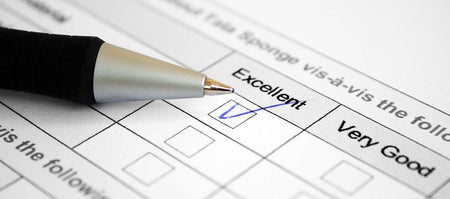
Pose Four Questions to Improve User Experiences for Learners
Successful enterprises are committed to ensuring their clients and customers have positive user experiences when they interact or access services. They know that the more positive and satisfying the experience, the more committed the client or customer is likely to be when they seek similar services in the future.
Schools have traditionally not spent much time or energy focused on providing high quality, satisfying user experiences for students. The assumption has often been that learning is a necessary task and what is to be learned has already been determined. The experience will not always be pleasant and satisfying. The priority has been on providing high quality instruction, not satisfying user experiences.
Of course, prior to the pandemic, most students had not been exposed to formal learning contexts other than face-to-face. They had little context for judging one learning experience from another beyond variances among teachers and instructional styles. The pandemic has exposed students to multiple contexts while continuing to feature variations among teacher styles and approaches.
It is also true that students are not yet mature and may not always be able to judge the experiences that are in their best interests. However, multiple studies have shown that students can be relatively accurate judges of what is good teaching and what makes a positive user experience for them.
Now is a good time to consider exploring what makes a good user experience from the learners’ perspectives. Since adjustments will be necessary even without user input, why not include the perspectives of learners as we design the new normal for learning?
We can collect information through focus groups, interactive surveys, one-on-one interviews, and in a number of other ways. However, students need to be convinced that we are ready to listen and consider what they have to offer. Perfunctory questionnaires and sessions where adults do most of the talking or become defensive will not unearth the information needed.
Regardless of the specific format you choose, here are four questions you can pose to get the conversation started:

In Your Corner, Student Learning
Four Crucial Conversations We Need to Have With Students
Adults are busy making plans and designing programs to support students as they transition to what will become the new normal for their learning. In the near term, assessing student progress, planning strategic interventions, and positioning students for academic success in the fall may need to take precedence over some other activities.
Certainly, these preparations are important, but we must be careful not to discount or ignore the importance of engaging students so they can understand and make sense of what is happening to and around them. Students will be making decisions too. They will decide whether to give their commitment and energy in response to the expectations we present and activities we plan. They will decide whether they feel safe and connected. If we fail to engage them in ways that build reassurance and confidence, much of the planning we do will have little impact.
In the coming weeks, there are at least four conversations we need to have with students. Each of the conversations can help students to gain a healthy and useful perspective on what lies ahead and provide reassurance that they will be safe and can succeed.
First, we need to engage students in conversations about their learning and help them to build their learning path. We know that many students found learning during the pandemic to be challenging. Disruptions, transitions, and shifting conditions made learning focus and consistency difficult to maintain. Consequently, we need to have thoughtful conversations with students about the status of their learning. Appearing to blame and punish students for lack of progress and threats of retention and remediation risk making the situation worse. So many students experienced so much loss over the past year. Adding the burden of “catching up” risks unwarranted feelings of guilt that will undermine motivation and confidence at a time when students most need to commit to their learning and focus their energy. Rather, we need to work with students to focus on the next levels and most crucial areas for learning now and begin to build a path forward with students to guide their learning and provide support to help them see success as within reach.
Second, we need to spend focused time with students helping them to identify and appreciate skills and knowledge they have gained that may not be measured; learning that was “off the books.” Survival and success for many students during the pandemic required them to learn and perfect skills to support themselves during remote learning and other settings. Skills such as resilience helped students to bounce back and keep trying, even when they were discouraged. Organization, prioritizing, problem-solving, and other aspects of self-management helped students to keep their learning going even when their teacher was not present and other students were not immediately available to consult. Knowledge of how to use technology tools and applications grew significantly. These skills may not be on the standardized or diagnostic assessments students will be asked to take in coming weeks, but if valued, recognized, and reinforced as students transition between learning environments, these skills can be accelerators for future learning success.
Third, we need to engage our students in conversations about transitioning to the new normal. Students across the nation spent much of the past year in learning environments where norms and other behavioral expectations were not the same as they would have experienced in a traditional classroom. They likely experienced greater freedom of movement, more choices regarding the use of their time, and more control over their attention and activities. Classroom procedures were also modified and consequences for unacceptable behavior were adjusted from what might have been experienced during in-person instruction. We need to help students to understand how learning activities and expectations will be different and why. We may need to be flexible to allow students time to adjust, but we also need to be aware of traditional in-class expectations that we may need to adjust or abandon. Crucial to this conversation is our listening to how students are perceiving and responding to the transition. Some students may find the experience to be more traumatic than we expect.
Fourth, we must have conversations with students about their physical and psychological safety. Most students understand that the disruptions and restrictions of the past year were due to physical safety concerns. As students return to in-person learning, we need to discuss with them how their learning environment is being kept safe. Some steps are obvious. Physical distancing, learning cohorts, masks, and open windows all communicate responses to the potential dangers of the virus. However, we also need to talk with students about how these measures help keep them safe, even though some practices may be awkward and uncomfortable. We also need to help students to feel safe emotionally and psychologically. Many students will feel anxious about engaging with others and renewing friendships or making new friends. We need to help students to feel connected and included in the classroom. They need to feel noticed and respected. This is a crucial time to design activities and structure routines that build a culture of safety and inclusiveness.
Obviously, there is much to be done to prepare for the coming summer and opening of a new school year. However, we need to prioritize engaging students in important conversations about their experiences, fears, and plans if we hope to gain their commitment and build toward their success.

In Your Corner, Student Learning
Communication, In Your Corner

In Your Corner, Student Learning

In Your Corner, Student Learning
Share Your Tips & Stories
Share your story and the tips you have for getting through this challenging time. It can remind a fellow school leader of something they forgot, or your example can make a difficult task much easier and allow them to get more done in less time. We may publish your comments.
Send Us An Email

In Your Corner, Leadership and Change Management

Communication, In Your Corner, Supporting Families

In Your Corner, Student Learning

In Your Corner, Leadership and Change Management
We’re In Your Corner!
Sign up to have the weekly publication delivered to your inbox.


As AI gets better at providing answers, it becomes more important for students to ask the right questions, think deeply, exercise keen judgment, and use those answers in meaningful, useful ways.
More Featured Articles


Categories